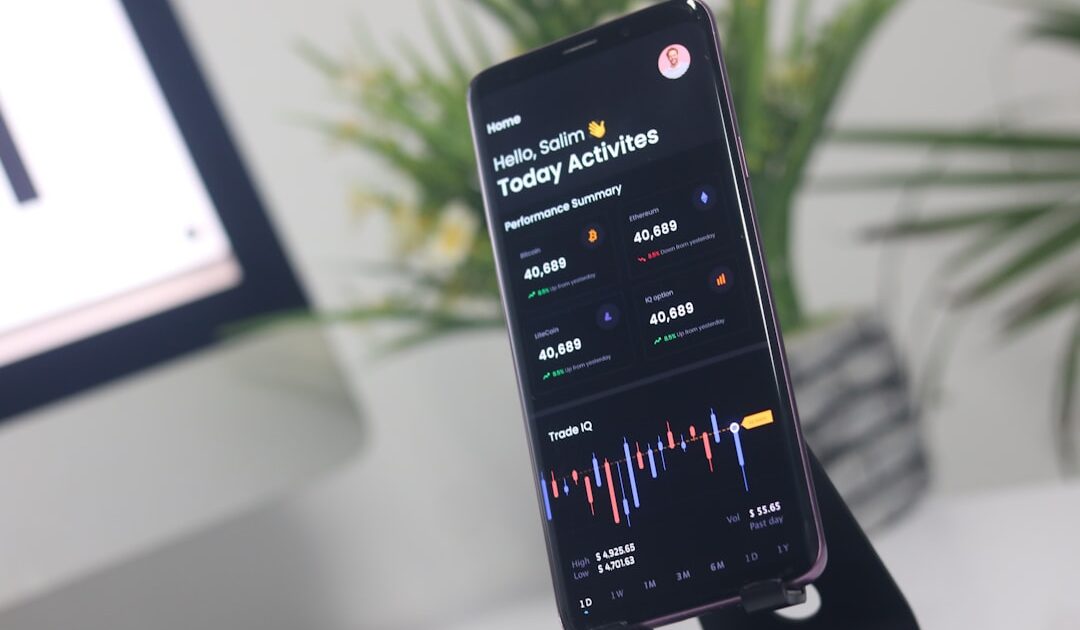
In today’s fast-paced, tech-driven world, it’s hard to imagine a life without mobile apps. From waking up to the sound of our alarm clock app to checking our social media feeds before bed, mobile apps have become an integral part of our daily routines. With over 5 million mobile apps available across various app stores, the mobile app development industry has experienced exponential growth, transforming the way we communicate, work, and entertain ourselves. In this blog post, we’ll delve into the world of mobile apps, exploring their benefits, types, and the future of mobile app development.
Introduction to Mobile Apps
Mobile apps have come a long way since the launch of the first iPhone in 2007. Initially, apps were simple, basic, and limited in functionality. However, with advancements in technology and the rise of mobile devices, mobile apps have evolved to become sophisticated, user-friendly, and feature-rich. Today, mobile apps cater to diverse needs, including social media, gaming, productivity, education, healthcare, and finance. Whether you’re a business owner looking to expand your customer base or an individual seeking to streamline your daily tasks, mobile apps offer a wealth of opportunities. With the help of mobile app development frameworks like React Native, Flutter, and Xamarin, developers can create cross-platform apps, reducing development time and increasing app visibility.
The benefits of mobile apps are numerous. For businesses, mobile apps provide a direct marketing channel, enabling them to engage with customers, promote products, and offer personalized services. Mobile apps also facilitate data collection, allowing businesses to gain valuable insights into customer behavior and preferences. For individuals, mobile apps offer convenience, accessibility, and a wide range of services at their fingertips. With the rise of mobile commerce, users can now shop, pay bills, and transfer money using mobile apps, making financial transactions faster and more secure.
Types of Mobile Apps
Mobile apps can be broadly classified into three categories: native, web, and hybrid. Native apps are built specifically for a particular platform, such as iOS or Android, using programming languages like Swift, Java, or Kotlin. Native apps offer fast performance, high security, and seamless integration with device hardware. Web apps, on the other hand, are web-based applications that run on web browsers, using technologies like HTML, CSS, and JavaScript. Web apps are platform-independent, easy to maintain, and can be accessed from any device with a web browser. Hybrid apps combine the benefits of native and web apps, using frameworks like React Native or Ionic to build cross-platform apps.
Another type of mobile app is the progressive web app (PWA). PWAs are web-based applications that provide a native app-like experience, offering features like push notifications, offline access, and home screen installation. PWAs are built using web technologies and can be accessed from any device with a web browser, making them a cost-effective alternative to native apps. With the increasing popularity of PWAs, businesses can now offer a seamless user experience, regardless of the device or platform used.
Mobile App Development and Design
Mobile app development involves several stages, including planning, design, development, testing, and deployment. The planning stage involves defining the app’s purpose, target audience, and features. The design stage focuses on creating a user-friendly interface, using wireframes, prototypes, and design tools like Sketch or Figma. The development stage involves writing code, using programming languages and frameworks, and integrating APIs and third-party services. The testing stage ensures that the app is stable, secure, and functions as expected, using testing frameworks like Appium or Jest.
Mobile app design plays a crucial role in determining the app’s success. A well-designed app should be intuitive, visually appealing, and easy to navigate. The design should also take into account the app’s functionality, ensuring that features are accessible and usable. With the rise of minimalism and simple design, mobile app designers are now focusing on creating clean, simple, and consistent interfaces that provide a seamless user experience. Mobile app design trends like dark mode, neumorphism, and augmented reality (AR) are also becoming increasingly popular, offering new opportunities for designers to create innovative and engaging interfaces.
The Future of Mobile Apps
The future of mobile apps looks promising, with emerging technologies like AR, artificial intelligence (AI), and the Internet of Things (IoT) set to revolutionize the mobile app development industry. AR technology, for example, is being used to create immersive experiences, such as Pokémon Go, while AI-powered chatbots are being used to enhance customer support and user engagement. IoT technology is also being used to connect devices, enabling smart home automation, wearable technology, and industrial automation.
The rise of 5G networks is also expected to have a significant impact on mobile app development, offering faster data speeds, lower latency, and greater connectivity. With 5G, mobile apps will be able to handle more complex tasks, such as video streaming, online gaming, and cloud computing, making them more powerful and feature-rich. As mobile app development continues to evolve, we can expect to see new trends, technologies, and innovations emerge, shaping the future of mobile apps and transforming the way we interact with our devices.
In conclusion, mobile apps have become an essential part of our daily lives, offering a wide range of services, from social media and entertainment to education and healthcare. With the rise of mobile app development frameworks, emerging technologies, and design trends, the mobile app development industry is expected to continue growing, offering new opportunities for businesses and individuals alike. Whether you’re a developer, designer, or user, it’s essential to stay up-to-date with the latest mobile app trends, technologies, and best practices to stay ahead in the game. By understanding the benefits, types, and future of mobile apps, we can harness the power of mobile technology to create innovative, engaging, and user-friendly experiences that transform the way we live, work, and interact with each other.
Leave a Reply