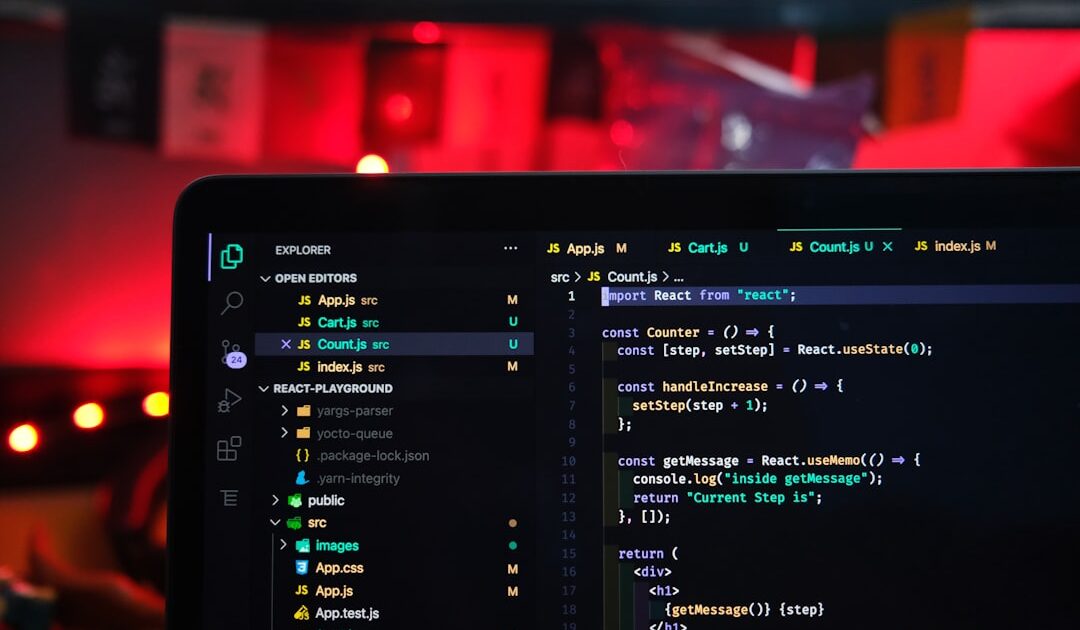
Are you ready to unlock the secrets of the digital world and become a master programmer? With the ever-growing demand for skilled coders, it’s no wonder that programming tutorials have become the go-to resource for individuals looking to break into the industry. But, with so many tutorials out there, it can be overwhelming to know where to start. In this comprehensive guide, we’ll take you on a journey through the world of programming, exploring the best tutorials, resources, and tips to help you become a proficient coder.
Introduction to Programming: Setting the Foundation
Before diving into the world of programming, it’s essential to understand the basics. Programming, also known as coding, is the process of designing, writing, testing, and maintaining the source code of computer programs. It involves using programming languages, such as Java, Python, or C++, to communicate with computers and create software, apps, or websites. If you’re new to programming, it’s crucial to start with the fundamentals, including data types, variables, loops, and functions. Online resources like Codecademy, Coursera, and edX offer excellent introductory courses to programming, covering topics like HTML, CSS, and JavaScript.
For beginners, it’s recommended to start with a programming language that’s easy to learn, such as Python or JavaScript. These languages have extensive libraries, communities, and resources, making it easier to find help and support when you need it. Additionally, online platforms like GitHub and Stack Overflow provide a wealth of information, including tutorials, documentation, and forums, where you can connect with other programmers and get help with any challenges you may face.
Choosing the Right Programming Tutorial: A Guide to Online Resources
With the plethora of programming tutorials available online, it can be challenging to find the right one for your needs. When selecting a tutorial, consider the following factors:
- Level of expertise: Look for tutorials that cater to your skill level, whether you’re a beginner, intermediate, or advanced programmer.
- Programming language: Choose tutorials that focus on the programming language you want to learn, such as Python, Java, or C++.
- Learning style: Opt for tutorials that suit your learning style, whether it’s video-based, text-based, or interactive.
- Resource availability: Consider tutorials that offer additional resources, such as practice exercises, quizzes, or projects.
- Udemy: Offers a wide range of courses and tutorials on various programming topics, including web development, mobile app development, and data science.
- FreeCodeCamp: Provides an interactive learning platform, where you can learn to code while working on real-world projects.
- Pluralsight: Offers a vast library of courses and tutorials on programming, IT, and creative skills, with a focus on professional development.
- Data structures and algorithms: Understanding data structures, such as arrays, linked lists, and trees, and algorithms, like sorting and searching, is crucial for efficient programming.
- Object-Oriented Programming (OOP): OOP concepts, such as encapsulation, inheritance, and polymorphism, help you write more organized, reusable, and maintainable code.
- Web development: Learning web development frameworks, like React, Angular, or Vue.js, and back-end technologies, such as Node.js or Ruby on Rails, can help you build dynamic web applications.
- Machine learning and artificial intelligence: Exploring machine learning and AI concepts, like neural networks, deep learning, and natural language processing, can help you build intelligent systems and predictive models.
- MIT OpenCourseWare: Offers free online courses and resources on advanced programming topics, including computer science, electrical engineering, and mathematics.
- Stanford University on Coursera: Provides online courses and specializations on computer science, machine learning, and data science, taught by Stanford University professors.
- Microsoft Virtual Academy: Offers free online courses and training on Microsoft technologies, including Azure, .NET, and Visual Studio.
- Attend conferences and meetups: Participate in programming conferences, meetups, and workshops to network with other programmers, learn about new technologies, and stay updated on industry trends.
- Read programming blogs and publications: Follow popular programming blogs, such as Hacker Noon, Coding Horror, and Smashing Magazine, to stay informed about the latest developments and best practices.
- Join online communities: Participate in online forums, like Reddit’s r/learnprogramming, r/webdev, and Stack Overflow, to connect with other programmers, ask questions, and share knowledge.
- Take online courses and certifications: Pursue online courses and certifications, such as those offered by Coursera, edX, or Udemy, to enhance your skills and stay up-to-date with industry trends.
- Start with the basics and build a strong foundation in programming.
- Choose the right tutorial for your needs, considering factors like level of expertise, programming language, and learning style.
- Advance your skills by learning advanced programming topics, such as data structures, algorithms, and web development.
- Stay informed about industry trends and best practices by attending conferences, reading programming blogs, and participating in online communities.
- Explore online resources, such as Codecademy, Coursera, and edX, to find the perfect tutorial for your needs.
- Join online communities, like GitHub and Stack Overflow, to connect with other programmers and get help when you need it.
- Pursue online courses and certifications to enhance your skills and stay up-to-date with industry trends.
- Start building your own projects, whether it’s a simple calculator or a complex web application, to apply your skills and learn by doing.
Some popular online resources for programming tutorials include:
Advanced Programming Topics: Taking Your Skills to the Next Level
Once you’ve mastered the basics, it’s time to move on to more advanced programming topics. These include:
To take your skills to the next level, consider the following advanced programming tutorials:
Staying Up-to-Date with Industry Trends and Best Practices
The programming landscape is constantly evolving, with new technologies, frameworks, and libraries emerging every day. To stay ahead of the curve, it’s essential to stay informed about industry trends and best practices. Here are some ways to do so:
By following these tips and staying committed to your programming journey, you’ll be well on your way to becoming a proficient coder and staying ahead of the curve in the ever-evolving world of programming.
Conclusion: Key Takeaways and Next Steps
In conclusion, programming tutorials are an excellent way to learn the skills you need to become a successful programmer. By starting with the basics, choosing the right tutorial, and advancing your skills, you’ll be well on your way to unlocking the secrets of the digital world. Remember to stay informed about industry trends and best practices, and always keep learning.
Key takeaways:
Next steps:
By following these steps and staying committed to your programming journey, you’ll be well on your way to becoming a proficient coder and unlocking the secrets of the digital world. Happy coding!
Leave a Reply